There is a specific, visceral magic that happens when you master Authentic Italian recipes in your own kitchen. You can see it in the vibrant, deep crimson hue of a perfectly simmered tomato sauce, and you can smell it the moment those garlic slivers hit the shimmering oil. This isn’t just a meal; it is a rustic experience captured in a single ceramic bowl, reminiscent of a handheld smartphone photo taken on a sun-drenched terrace in Naples.
In this guide, we are recreating the exact visual and sensory profile of the perfect marinara. We are talking about a thick, chunky texture derived from hand-crushed San Marzano tomatoes, punctuated by slivers of garlic that have been sautéed to a precise golden-brown. Topped with a heavy, glistening swirl of emerald-green extra virgin olive oil and freshly torn basil, this dish is the gold standard of Italian comfort.
By the time you reach the bottom of this page, you will understand the culinary forensic details that separate a basic red sauce from a true masterpiece. From the science of the “al dente” bite to the importance of coarse sea salt crystals catching the light, every element is designed for maximum flavor and visual impact.
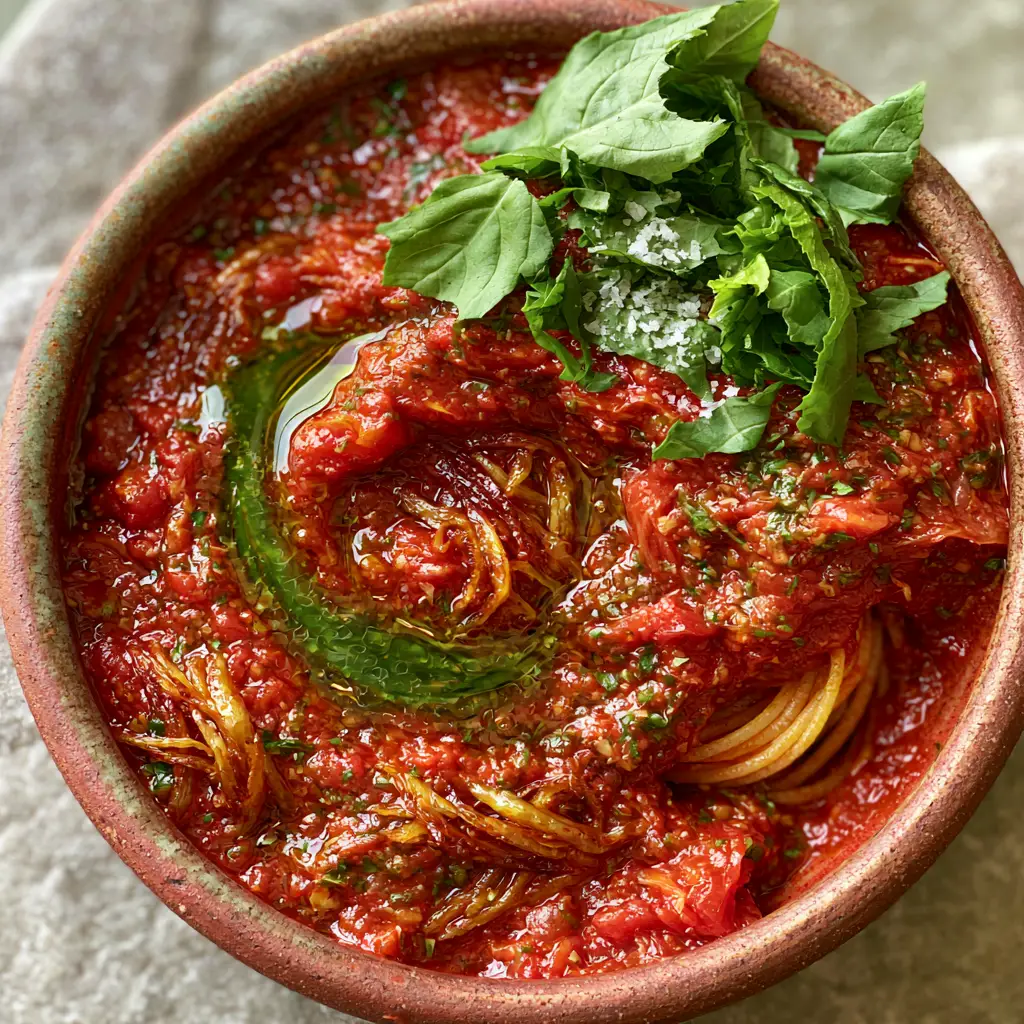
The Visual Anatomy of a Perfect Rustic Marinara
- Vibrant Crimson Chunky Texture: Unlike pureed canned sauces, we utilize hand-crushed San Marzano tomatoes to ensure a rustic, varied consistency that clings to every strand of spaghetti.
- Golden-Browned Garlic Slivers: We move away from minced garlic to thin slivers, which provide a mellow sweetness and a distinct visual pop against the red sauce.
- The Emerald Swirl: A finishing pour of high-quality, cold-pressed extra virgin olive oil adds a luxurious mouthfeel and a glistening, photo-ready sheen.
- Torn Basil Aromatics: Freshly torn leaves, rather than chopped, preserve the essential oils and provide that bright green contrast against the warm stones of the background.
- Coarse Sea Salt Finish: Visible crystals of salt provide immediate hits of seasoning and a beautiful crystalline texture to the final presentation.
Essential Ingredients for Authentic Italian Marinara
San Marzano Tomatoes (DOP Certified): These are the backbone of Authentic Italian recipes, prized for their low acidity and thick flesh. 2 cans (28 oz / 800g each) of whole peeled tomatoes provide the necessary volume and chunky structural integrity.
Extra Virgin Olive Oil: You will need 1/2 cup (120ml) for the initial sauté and a heavy swirl for finishing. Look for an oil with a peppery finish and a deep green color to match our visual blueprint.
Fresh Garlic: 6 large cloves (approx. 30g), sliced into paper-thin slivers. Slicing rather than pressing allows the garlic to brown evenly without becoming bitter or dissolving into the sauce.
Fresh Basil: 1 large bunch (approx. 30g) of bright green leaves. We tear these by hand to avoid bruising the delicate cell walls, which keeps the color “bright green” rather than dark and oxidized.
Coarse Sea Salt and Cracked Black Pepper: 1 tbsp (15g) of sea salt for the sauce and extra for finishing. The coarse grind is essential for the “scattered” visual effect mentioned in our prompt.
Dry Spaghetti: 1 lb (454g) of high-quality bronze-die pasta. The rough surface of bronze-die pasta is what allows our chunky marinara to adhere perfectly to the “nest” of noodles.
Filtered Water: 1/2 cup (120ml) as needed to adjust the sauce thickness during the simmering process. This ensures the sauce stays “vibrant red” and doesn’t over-reduce into a dark paste.
Tools for Achieving the Rustic Professional Look
Heavy-Bottomed Enameled Cast Iron Pot: This provides even heat distribution, which is critical for browning the garlic slivers without scorching them. A wide surface area also encourages the tomatoes to reduce effectively.
Large Ceramic Serving Bowl: To match our visual prompt, choose a rustic, light-grey or neutral stone-textured bowl. The contrast between the neutral stone and the vibrant red sauce is what makes the dish visually stunning.
Stainless Steel Tongs: Essential for swirling the spaghetti into a tight, professional nest. This technique creates the height needed for a handheld smartphone photo aesthetic.
Mastering the Art of Sautéed Garlic Slivers
Prepping the San Marzano Foundation
Open your cans of San Marzano tomatoes and pour them into a large stainless steel bowl. Using your hands, gently crush the whole tomatoes until they are broken into bite-sized chunks, ensuring you don’t lose the thick juices; this creates the “rich, chunky texture” we are looking for.
Avoid using a blender or food processor, as this introduces too much air and turns the sauce a pale orange color. We want to maintain that “vibrant red” intensity that characterizes high-end Authentic Italian recipes.
Achieving the Golden-Brown Garlic Glow
Place your heavy-bottomed pot over medium-low heat and add 1/4 cup (60ml) of the olive oil. Once the oil is shimmering but not smoking, add your garlic slivers in a single layer.
Watch closely for the sensory cues: you should hear a gentle, rhythmic sizzling sound. Use a wooden spoon to move the slivers until they reach a “golden-browned” state, which usually takes about 3-4 minutes. If they turn dark brown, they will be bitter—remove them immediately if they reach that stage.
Developing the Sauce Complexity
Carefully pour the hand-crushed tomatoes into the pot with the garlic. The oil will react with the tomato juices, creating a beautiful emulsification. Stir in 1 tsp (5g) of cracked black pepper and a pinch of coarse sea salt.
Lower the heat to a simmer. You want to see small bubbles breaking the surface, which signifies the flavors are concentrating without burning the sugars in the tomatoes. Simmer for 20-25 minutes until the sauce is thick and glossy.
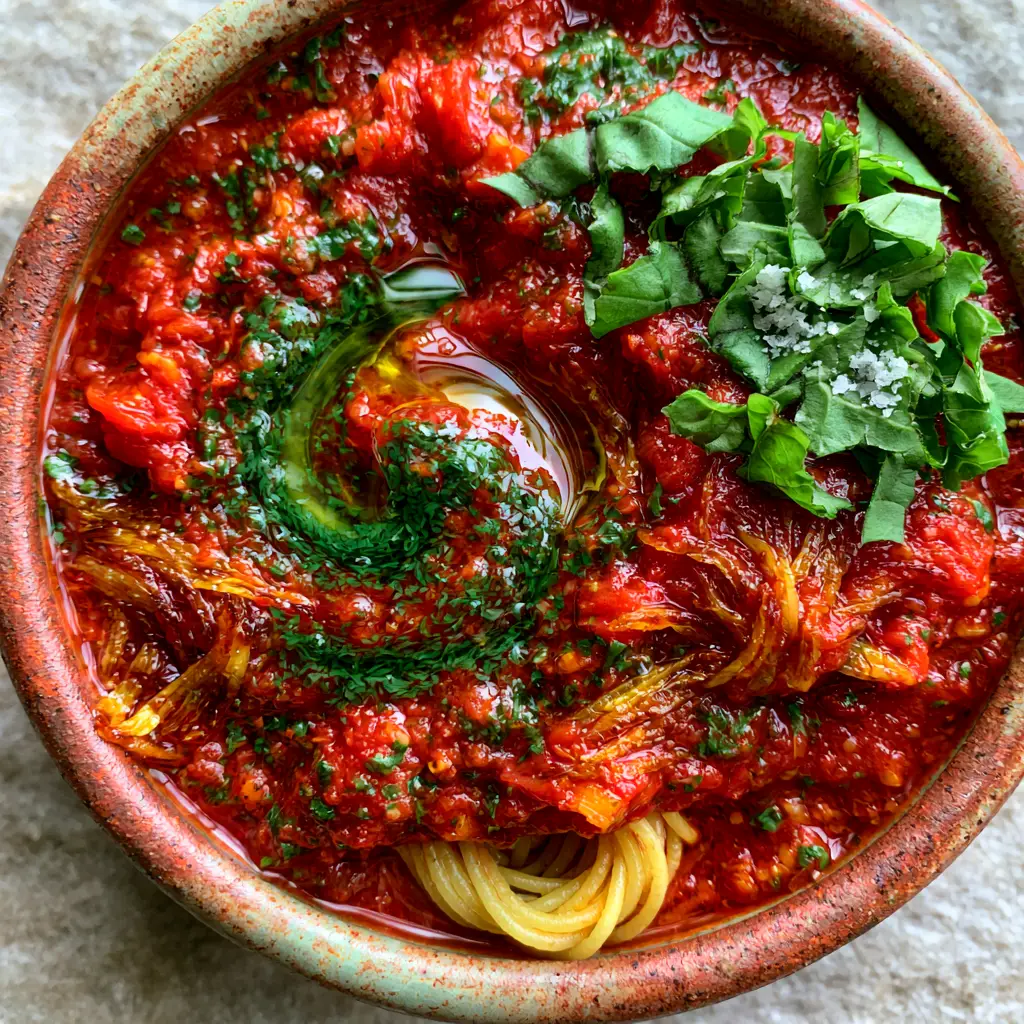
Cooking the Perfect Al Dente Spaghetti Nest
Bring a large pot of water to a rolling boil and add enough salt so that it tastes like the sea. Drop your spaghetti and stir immediately to prevent sticking. For a true “al dente” bite, cook the pasta for 1-2 minutes less than the package instructions suggest.
Before draining, reserve 1 cup (240ml) of the starchy pasta water. This is a secret technique in many creamy pasta recipes and rustic marinaras alike, as it helps the sauce bind to the noodle. If you’re looking for a meatier pairing, this sauce also works perfectly with stuffed Italian sausage.
Expert Tips for Success
- The Finish is Everything: Never cook your fresh basil. Always tear it and add it at the very end to maintain the “bright green” color and fresh aroma.
- Temperature Control: If the olive oil begins to smoke while sautéing the garlic, remove the pan from the heat immediately. High-quality EVOO has a lower smoke point, and burnt oil will ruin the flavor profile.
- Emulsification Magic: When adding the spaghetti to the sauce, add a splash of pasta water and toss vigorously. This creates the “glossy moisture” mentioned in the photography prompt.
- Visual Plating: To get that “handheld smartphone photo” look, use side-lit natural lighting. Position your bowl near a window so the light hits the “glistening swirl of emerald-green oil” at an angle.
Preserving the Flavor: Storage and Reheating
This marinara actually tastes better the next day as the garlic slivers continue to infuse the tomato base. Store leftover sauce in a glass airtight container for up to 5 days in the refrigerator. If you are a fan of meal prepping, this sauce pairs excellently with garlic butter noodles for a quick weekday lunch.
To freeze, let the sauce cool completely and place it in freezer-safe bags. It will stay fresh for up to 3 months. When reheating, add a tablespoon of water or a drizzle of fresh olive oil to restore the “glossy moisture” of the original dish.
What to Serve With Authentic Italian Marinara
While this dish is a star on its own, it benefits from light, crisp sides. A spinach mandarin salad provides a citrusy contrast to the rich, umami-heavy tomatoes. For those craving a unique texture, try serving a side of baked cottage cheese chips for an unexpected crunch.
Frequently Asked Questions
For authentic Italian recipes, fresh torn basil is highly recommended. Dried basil has a different flavor profile and will not provide the bright green visual contrast described in our blueprint.
Avoid using a blender. Hand-crushing the whole peeled tomatoes ensures varied sizes of tomato pieces, creating that rustic, thick texture characteristic of homemade Italian sauce.
Keep the heat at medium-low and cook the garlic until it is just golden-brown. If the slivers turn dark brown or black, they will become acrid and ruin the sauce.
Add a high-quality extra virgin olive oil as a finishing touch after the sauce is plated. The ‘glistening’ look comes from raw oil reflecting light, which also preserves its delicate polyphenols.
San Marzano tomatoes are grown in volcanic soil, resulting in a lower acidity and sweeter flavor profile that is essential for a balanced, vibrant red marinara.
Authentic Italian San Marzano Marinara Recipe
Authentic Italian recipes: The Ultimate San Marzano Marinara with Golden Garlic Slivers
Ingredients
Equipment
Method
- Pour the whole peeled San Marzano tomatoes into a bowl and crush them by hand until a chunky, rustic texture is achieved.
- Heat 1/4 cup (60ml) of olive oil in a pot. Add garlic slivers and cook until they reach a perfect golden-brown color and release a fragrant aroma.
- Add the crushed tomatoes, sea salt, and black pepper to the pot. Simmer on low for 25 minutes until the sauce is vibrant red and thick.
- Boil spaghetti in salted water until al dente. Reserve some pasta water, then toss the noodles with the sauce.
- Plate in a rustic bowl, top with freshly torn basil, a pinch of coarse sea salt, and a heavy glistening swirl of the remaining emerald olive oil.
Notes
Never boil the olive oil; keep heat medium-low to preserve the peppery notes.
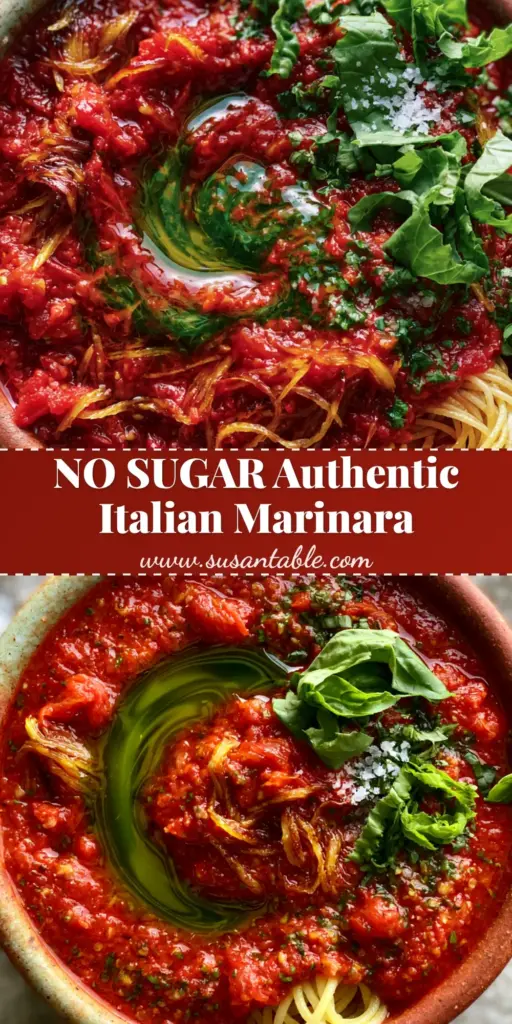
The Final Touch for Your Culinary Masterpiece
Creating Authentic Italian recipes is about honoring the simplicity of high-quality ingredients. By following these forensic visual cues—the golden garlic, the emerald oil, and the chunky San Marzano base—you’ve created a dish that is as beautiful as it is delicious. The rustic charm of the ceramic bowl and the neutral stone background complete a dining experience that feels straight out of an Italian villa.
If you enjoyed this recipe, please leave a comment below and let us know how your garlic slivers turned out! Don’t forget to share your own smartphone photos and tag us, and be sure to follow KellyTaste on Pinterest for more visual recipe inspiration.