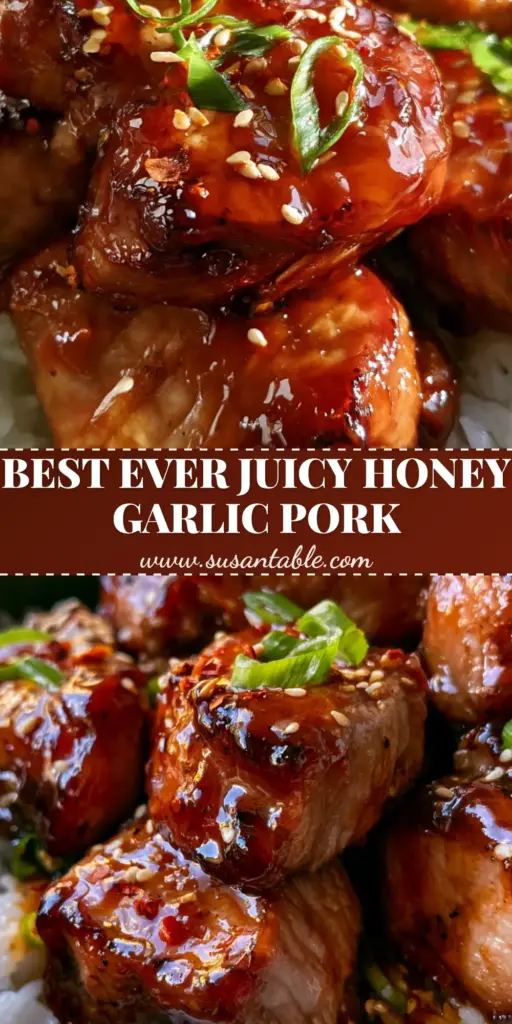
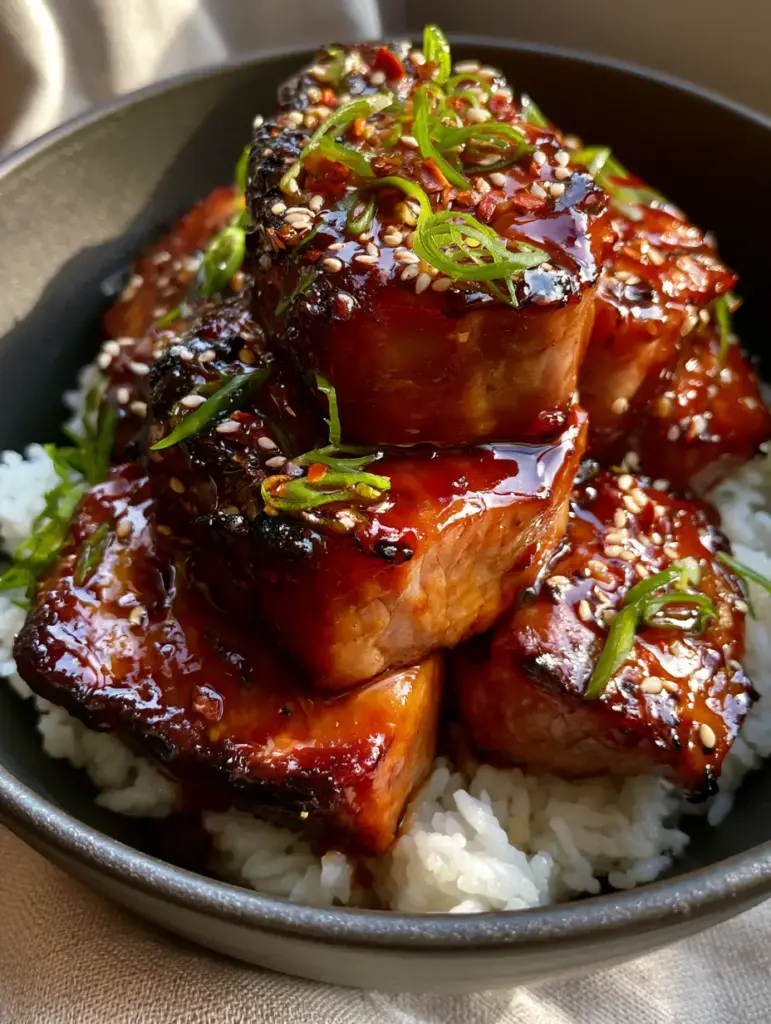
There is a specific visual magic that happens when high-heat searing meets a sugar-dense reduction. This Asian Pork Tenderloin isn’t just a meal; it is a masterclass in the Maillard reaction and glaze emulsification. Imagine thick, succulent medallions of pork, each sporting a deeply caramelized crust, nestled into a cloud of fluffy jasmine rice.
The centerpiece of this dish is the translucent, mahogany-colored lacquer that catches the light like polished amber. Every bite offers a symphonic balance of salty soy, floral honey, and the sharp, clean bite of bias-cut scallions. We are moving beyond the basic stir-fry and into the realm of professional-grade culinary textures right in your home kitchen.
By following this forensic approach to searing and reduction, you will achieve that “handheld smartphone photo” aesthetic that looks as good as it tastes. We are focusing on the contrast between the dark matte stoneware bowl and the vibrant, reflective surface of the pork to create a dish that is truly Instagram-worthy.
Why This Seared Pork Medallion Technique Works
- The Lacquer Finish: We use a specific honey-to-soy ratio to ensure the glaze is thick and reflective, rather than watery or thin.
- High-Contrast Textures: The crunch of toasted white sesame seeds and the snap of fresh scallions provide a structural counterpoint to the tender meat.
- Precision Searing: By cutting the pork into medallions before searing, we maximize the surface area for caramelization and flavor development.
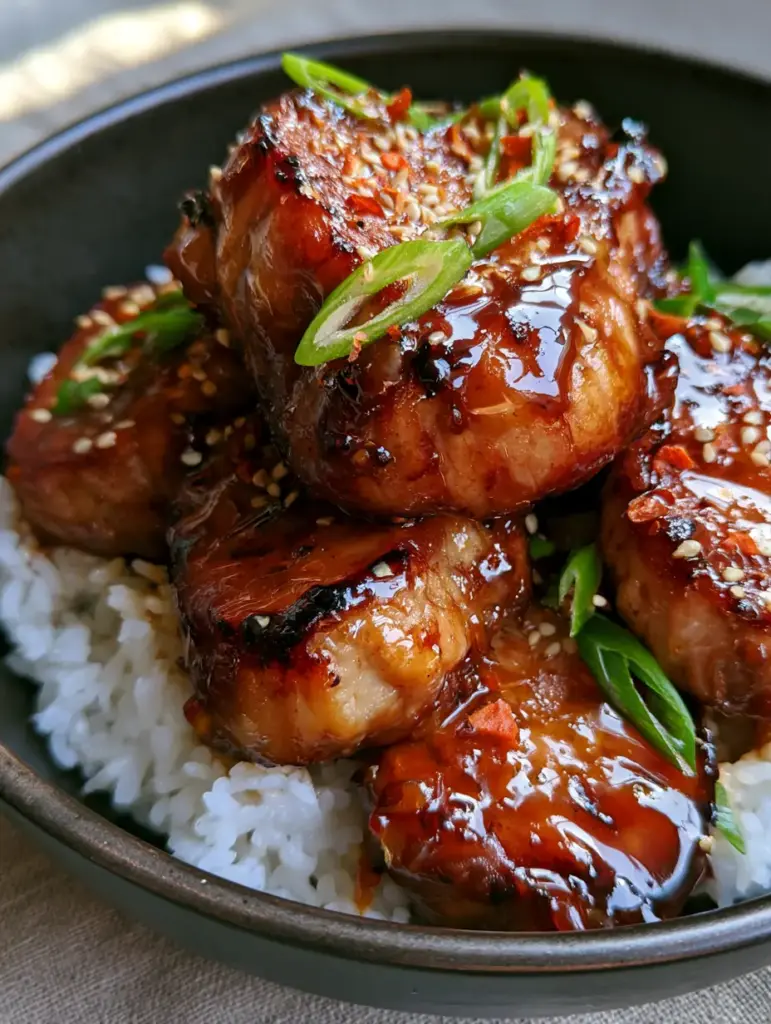
- Visual Harmony: Served in a dark gray ceramic bowl, the mahogany tones of the pork pop against the stark white of the steamed jasmine rice.
The Anatomy of a Perfect Asian Pork Tenderloin
Pork Tenderloin (1.5 lbs / 680g): This lean, muscle-dense cut is the “filet mignon” of pork. Its fine grain allows it to soak up aromatics while remaining incredibly tender when cooked to a precise medium-blush.
Honey (1/3 cup / 80ml): Beyond sweetness, honey provides the glucose necessary for that thick, mirror-like sheen. It acts as the primary thickening agent as it reduces and dehydrates in the pan.
Soy Sauce (1/4 cup / 60ml): This provides the salt and the deep umami base. It reacts with the honey to create that signature mahogany hue seen in high-end Asian cuisine.
Fresh Garlic (4 cloves / 20g): Finely minced garlic infuses the oil and the sauce. It provides a pungent aromatic backbone that balances the floral notes of the honey.
Rice Vinegar (1 tbsp / 15ml): This “invisible” ingredient provides the necessary acidity. It cuts through the sugar and fat, brightening the entire flavor profile of the Asian Pork Tenderloin.
Toasted White Sesame Seeds (1 tsp / 3g): These offer a nutty aroma and a tiny, pale-colored visual pop against the dark glaze. They are essential for that professional garnish look.
Green Scallions (2 stalks): We cut these on a sharp bias (diagonal) to create long, elegant green shards. This adds height and freshness to the dark gray ceramic bowl presentation.
Red Chili Flakes (1/2 tsp / 1g): These provide tiny sparks of heat and vibrant red flecks that break up the monochromatic mahogany of the sauce.
Jasmine Rice (2 cups / 400g dry): A fragrant, long-grain rice that absorbs the excess glaze without becoming mushy. It acts as the “soft” texture in our visual blueprint.
Essential Tools for a Professional Finish
To achieve the “handheld photo” quality of this dish, you need a heavy-bottomed skillet—ideally cast iron or stainless steel. These materials retain the high heat necessary to create those “visible caramelized seared edges” without steaming the meat.
A sharp chef’s knife is non-negotiable for achieving the clean, bias-cut scallions required for the garnish. You will also need a fine-mesh strainer if you choose to rinse your jasmine rice for maximum fluffiness, ensuring each grain stays distinct.
A Scientist’s Guide to the Perfect Sear
Preparing the Pork Medallions
Remove the silver skin from the pork tenderloin using a flexible knife. Slice the pork into 1-inch (2.5cm) thick medallions. This thickness ensures the center stays juicy while the exterior has time to develop a crust.
Pat each medallion bone-dry with a paper towel. Moisture is the enemy of the Maillard reaction; if the meat is wet, it will steam rather than sear. Season lightly with salt, keeping in mind the soy sauce will add significant sodium later.
Executing the High-Heat Sear
Heat 2 tbsp (30ml) of high-smoke point oil in your skillet over medium-high heat until it shimmers. Place the medallions in the pan, ensuring they do not touch. You should hear a vigorous, aggressive sizzle immediately upon contact.
Sear for 3 minutes per side. Look for “visible caramelized seared edges” that are dark golden brown. Once seared, remove the pork to a warm plate—the meat will finish cooking in the residual heat of the glaze later.
Reducing the Mahogany Honey-Garlic Glaze
In the same pan, reduce the heat to medium. Add the minced garlic and sauté for 30 seconds until fragrant but not burnt. Pour in the honey, soy sauce, and rice vinegar, scraping the bottom of the pan to release the “fond” (the brown bits from the pork).
Whisk constantly as the sauce bubbles. You are looking for a “thick, translucent, mahogany-colored” consistency. The sauce is ready when it is highly reflective and coats the back of a spoon without running off.
The Final Glaze and Assembly
Return the pork medallions and any accumulated juices to the skillet. Toss the meat in the glaze for 1-2 minutes. The sauce should transform into a sticky lacquer that clings to the pork, creating a glistening, reflective surface.
Stack the thick, tender medallions on a bed of fluffy jasmine rice in a dark gray ceramic bowl. The contrast of the white rice against the dark matte stoneware is the key to the visual appeal of this Asian Pork Tenderloin.
Garnishing for Visual Impact
Presentation is where the “Culinary Forensics” come into play. Sprinkle the toasted white sesame seeds from a height of about 12 inches (30cm) to ensure an even, light dusting. This prevents clumps and ensures a professional look.
Place the bias-cut green scallions and red chili flakes over the top. The bright green and tiny red flakes against the mahogany glaze create a color palette that screams “fresh and flavorful.”
Mastering the Art of the Glaze
- Control the Heat: If the glaze becomes too thick too quickly, add a teaspoon of water to loosen it. It should be viscous but pourable.
- Don’t Overcrowd: Searing in batches is better than overcrowding the pan. Overcrowding drops the pan temperature and prevents caramelization.
- Rest the Meat: Let the pork medallions sit in the glaze for at least 2 minutes before serving. This allows the fibers to relax and the sauce to penetrate.
- Rice Texture: For the fluffiest jasmine rice, use a 1:1.5 rice-to-water ratio and let it steam undisturbed for 10 minutes after the heat is turned off.
Perfect Pairings for Your Asian Feast
While this Asian Pork Tenderloin is a complete meal on its own, it pairs beautifully with other vibrant dishes. For a refreshing crunch, try serving it alongside a Spinach Mandarin Salad, which echoes the sweet and savory notes of the pork.
If you want to move away from rice, these medallions are incredible when served atop Garlic Butter Noodles. For those who love a full “takeout at home” experience, consider preparing a side of Beef and Broccoli or even Chinese Honey Chicken for a multi-course dinner.
If you have leftover aromatics, you can even whip up some Hibachi Steak-style vegetables to add more fiber to the bowl. The possibilities are endless when you have a base as strong as this seared pork.
Frequently Asked Questions
Pork loin is a much larger, tougher cut. While you can use it, you would need to slice it thinner and be careful not to overcook it, as it lacks the fine-grain tenderness of the tenderloin.
Rinse your rice in a fine-mesh strainer until the water runs clear to remove excess starch. Use a 1:1.5 ratio of rice to water and let it steam for 10 minutes off the heat after cooking.
The secret to a reflective glaze is the high glucose content in the honey combined with proper reduction. Simmer the sauce until it reduces by half and achieves a viscous, syrupy consistency before adding the meat back in.
It has a very mild heat from the red chili flakes. If you prefer a spicier dish, you can double the flakes or add a teaspoon of sriracha to the glaze while it reduces.
To get that professional look, use a very sharp knife and cut at a 45-degree angle (a bias cut). This creates long, elegant shards rather than simple rings, adding height and visual interest to the dish.
The Ultimate Asian Pork Tenderloin Recipe
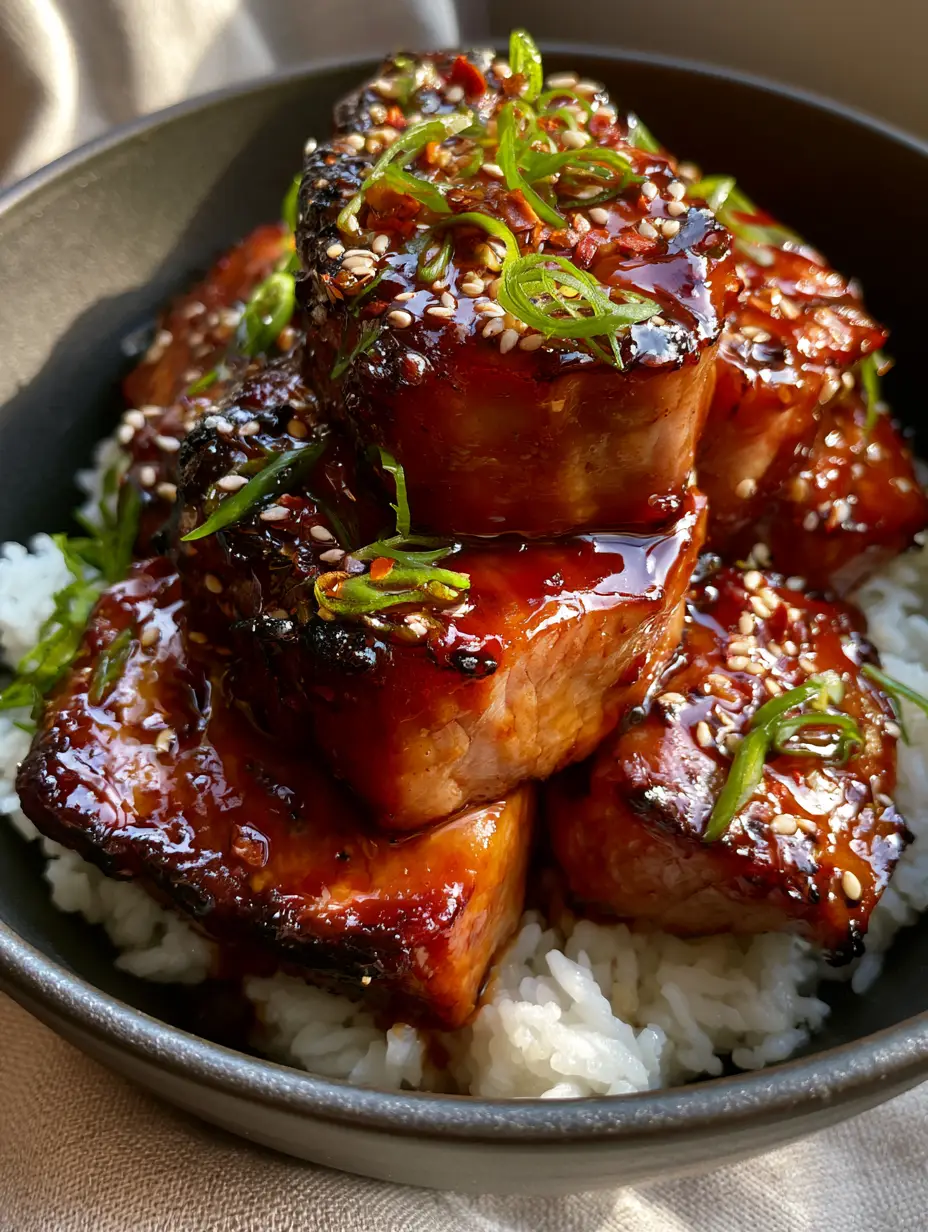
Asian Pork Tenderloin with a Glistening Mahogany Honey-Soy Glaze
Ingredients
Equipment
Method
- Slice the pork into 1-inch thick medallions and pat dry with paper towels to ensure a crisp sear.
- Heat oil in a skillet over medium-high heat. Sear medallions for 3 minutes per side until caramelized edges appear.
- Add garlic, honey, soy sauce, and vinegar to the pan. Simmer until the sauce becomes a thick, mahogany-colored lacquer.
- Toss pork in the glaze, then serve over jasmine rice. Garnish with sesame seeds, scallions, and chili flakes.
Notes
Ensure the honey is high quality for the most reflective glaze.
Join the Taste Revolution
This Asian Pork Tenderloin is a testament to how simple ingredients can be transformed through technique. If you made this dish and captured that perfect glistening glaze, I want to see it! Share your photos on social media and tag us.
For more restaurant-quality recipes at home, sign up for our newsletter and follow us on Pinterest. Your kitchen is your studio—let’s make something beautiful today!